


Tappy Minigames Challenge
4.848.00 Reviews
App Specs
- Version
- 1.0.1
- Updated On
- License
- Free
- Downloads
- 5,000,000+
- Developer
- ThunderstormStudio
- Categories
- Casual
- Platform
- Android
Screenshots
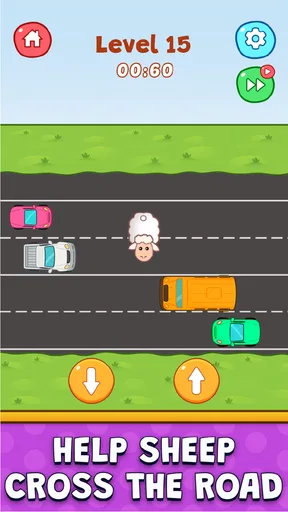
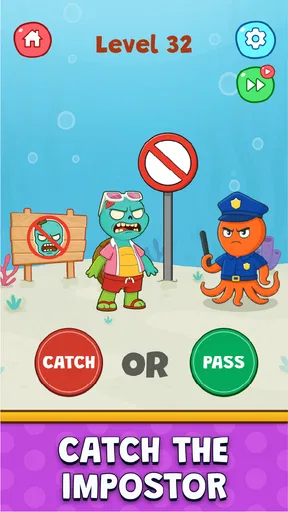
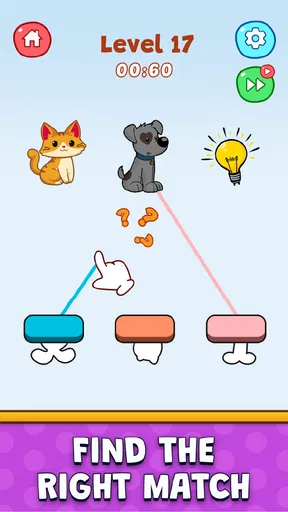
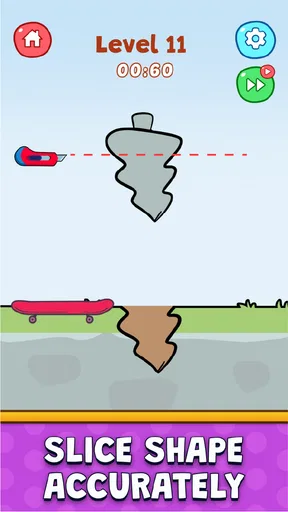
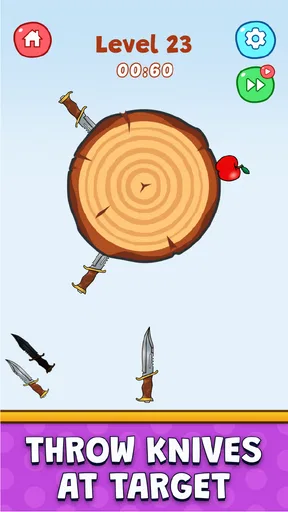
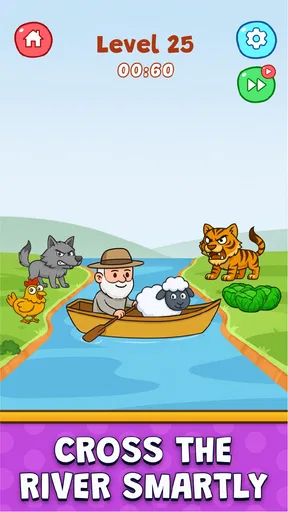
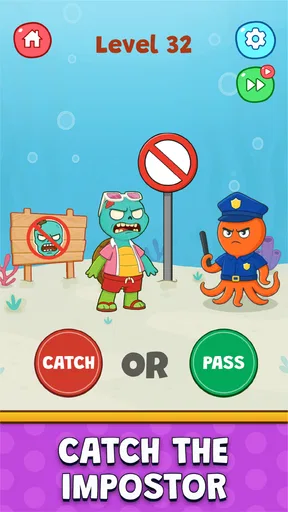
 Analysis by AppCompare
I find Tappy Minigames Challenge easiest to judge in the sort of moment it seems made for: a few people are waiting around, one phone is handy, and nobody wants to commit to a long game. Its short, varied challenges make it a plausible shared-device time-killer, though I would treat it as a turn-taking game rather than assume it has a dedicated family or multiplayer mode.
A phone passed around between turns
Picture a quiet stretch before dinner or a wait while someone finishes an errand. One person can take a brief turn, hand the phone over, and let the next person try. That small rhythm suits a casual game better than a sprawling adventure: there is little need to remember a plot or save a complicated run, and a newcomer can understand the basic appeal quickly.
The short challenges also give a group an easy way to make its own rules. You might agree to let everyone attempt the same task once, or simply pass the device after a score. I would keep those rules informal, because the app’s appeal is the quick play itself, not a household competition system. If people in the room dislike score comparisons, they can just enjoy the turns without turning every result into a contest.
There is a practical catch with shared use: some challenges ask for quick reactions, so passing a phone between people can interrupt the flow. It helps to decide who is playing before a round begins rather than switching hands mid-task. That is a small bit of coordination, but it can prevent a casual game from becoming a scramble over the screen.
Keep expectations clear on a shared device
When a phone belongs to more than one person, I would make the account boundary clear before anyone starts exploring social options. The published review describes score comparisons and sharing, but that is not the same as a private household profile or a separate identity for every player. If the device is logged into someone’s social account, a child or guest should not be invited to post or share casually under that person’s name.
A simple household routine works better than assuming the game will manage this for you: let the device owner handle any sharing, and keep ordinary turns focused on playing. That is useful even when everyone is comfortable with the game, because a high score can feel personal while the phone itself is shared. If you want a completely offline, account-free group activity, a physical card or party game may be a more predictable fit.
I would also avoid promising a particular kind of multiplayer experience. The competitive elements described here involve comparing scores and sharing results; they do not establish that several people can play a live round together on one device. For a group that wants simultaneous play, a party game explicitly built around local multiplayer is the safer choice. For a casual hand-off between turns, this format is easier to accommodate.
Worth Reading Before You Choose

EA SPORTS FC Mobile 26 Is a Bigger Football Game, but It Takes Time

Flipboard Shows What News Apps Must Do Beyond the Feed

Switching to Android Auto Means Rethinking Your Driving Routine

Google Calendar Makes a Crowded Week Easier to Manage

Ludo King Makes the Most of the Minutes Between Plans

Baby Panda World Brings Quick Play to Modern Phones, but Its Game Library Feels Busy
Age, attention, and the kind of challenge
The game is rated Everyone, which makes it broadly approachable from an age-rating perspective. That does not automatically mean every child will enjoy the pace. Timed tapping challenges can be exciting for someone who likes quick reactions but frustrating for a player who prefers to think slowly, needs more time with controls, or is sensitive to competitive pressure. I would let a younger player try a round and see how they respond rather than treating the age label as a guarantee of fit.
For a mixed-age household, the most useful approach is to frame scores as personal attempts, not a measure of who is “good” at games. A young child may enjoy the colorful, simple interaction while an older sibling focuses on beating a previous result; both can use the same game differently. If a player finds the timer stressful, there is no reason to push them through it—the app is casual entertainment, not a necessary household activity.
It is also worth remembering that quick phone games can make a short break stretch longer than intended. I find it helpful to decide on a stopping point before handing over the device, especially when the next person needs the phone for something else. That boundary comes from the household, not from assuming the app includes a timer or parental control.
Who will get the most from it?
I would recommend this style of game to people who want brief bursts of play, enjoy switching between different kinds of small challenges, and do not need a deep story or long-term progression to stay interested. It can work during a commute while seated, in a waiting room, or as a quick pause between chores. For a shared phone, it is most comfortable when the group is happy to take turns and keep competition light.
It is less suited to someone looking for a substantial solo game with a persistent world, carefully developed strategy, or a long session that rewards planning. It may also be a poor match for players who dislike time pressure or who want a confirmed live multiplayer experience. In those cases, a slower puzzle game, a story-led title, or a purpose-built party game would answer the need more directly.
Quick, Fun, and Totally Addictive
From the moment you open Tappy Minigames Challenge, you're greeted with a vibrant interface that’s as inviting as it is user-friendly. The app offers a collection of mini-games, each with its own unique twist. Whether it’s a fast-paced tapping challenge or a strategic puzzle, there's something for everyone.
One of the coolest features is how each game is timed. You have just a few seconds to complete each task, which keeps the adrenaline pumping and your fingers moving. Trust me, it’s way more challenging than it sounds. You’ll find yourself saying, "Just one more try!" more times than you’d care to admit.
Simple Yet Engaging Gameplay
The beauty of Tappy Minigames Challenge lies in its simplicity. Anyone can pick up the app and start playing without a steep learning curve. The controls are intuitive—just tap, swipe, or tilt your device. It’s perfect for those moments when you need a quick escape from reality without overloading your brain.
Each mini-game is designed to test a different skill, whether it’s speed, accuracy, or strategy. This variety keeps the gameplay fresh and prevents it from getting monotonous. Plus, the bright and colorful graphics add an extra layer of fun to the experience.
Compete and Compare
One of the things I love most about this app is its competitive edge. After each game, you can see how your scores stack up against other players worldwide. It’s the perfect incentive to improve your skills and climb the leaderboard. Who doesn’t love a little friendly competition?
Another neat feature is the ability to share your scores on social media. It’s a great way to challenge friends and maybe even spark some rivalry. Plus, the app’s social integration is smooth and hassle-free, making it easy to brag about your latest high score.
Fit, cost, and what to expect before installing
As a casual game from ThunderstormStudio, this is aimed at easy pick-up play rather than a large, elaborate campaign. It is free, and the store rating is 4.8 on average from around 6.2 thousand ratings, with 44 written reviews. Those figures suggest a favorable reception, but I would treat them as a useful snapshot rather than proof that every player will enjoy the same parts. The game has passed 5 million installs, so it is not an obscure experiment, yet popularity does not resolve the question of whether timed mini-challenges suit your habits.
The practical installation details are straightforward: the current version is 1.0.1, it was released on September 23, 2025, and it requires Android 8.0 or later. That makes checking the operating system on an older spare or family phone worthwhile before planning to use it there. Since the game is free, trying it does not require a purchase, but I would still make the usual distinction between a free download and any assumptions about how an app handles optional services or device use.
Compared with a single-purpose tapping game, a collection of varied mini-games can make short sessions feel less repetitive because the task changes instead of asking for the same gesture indefinitely. Compared with a traditional puzzle game, however, the timer shifts the emphasis away from leisurely reasoning and toward quick execution. That is the key trade-off: variety is appealing when you want an instant change of pace, while a focused game may be more satisfying if you want to master one mechanic or settle into a longer session.
Small habits that make short sessions better
I would use the game in deliberate bursts rather than opening it whenever I have a phone in my hand. For example, during a short wait, I might play a few rounds and then put the device away when the task at hand resumes. This keeps the quick format useful instead of letting “one more try” crowd out a conversation or a household routine. The timer can create momentum, so choosing a stopping point in advance is more dependable than expecting the game itself to signal when to stop.
For someone trying to improve, the most useful approach is to notice which kind of task causes mistakes rather than simply replaying everything in frustration. If speed is the problem, rushing harder may make accuracy worse; if accuracy is the issue, a calmer first movement may help more than frantic tapping. These are general ways to approach timed challenges, not special settings or hidden modes. They make each retry feel like a small experiment instead of a reflexive restart.
On a shared device, keep the hand-off simple: finish the current attempt, show the next player how the controls work, and let them start fresh. This avoids confusing one person’s score with another’s and gives a first-time player a fair chance to understand the task. If the group wants a lasting record of everyone’s results, agree on how to track them outside the game rather than assuming the app separates household players.
Where the format can wear thin
Fast mini-games are naturally better at delivering variety than depth. A player who enjoys learning a complex system may find that short rounds end just as they begin to get invested, and someone who prefers quiet, unhurried play may feel that the timer is doing more to create pressure than enjoyment. The bright presentation and simple controls lower the barrier to entry, but they do not change that basic limitation.
There is also a difference between global score comparison and meaningful social play. A leaderboard can give a personal result context, and sharing can prompt friendly challenges, but neither necessarily replaces sitting together and reacting to one another in real time. If the point of gathering is conversation or coordinated teamwork, I would choose an activity designed around that goal. This game is easier to treat as a light diversion that can sit alongside a shared moment, not as the centerpiece of every group occasion.
For anyone wondering whether it is suitable for a quick, low-commitment try, I think that is exactly its strongest case: short tasks, accessible controls, and a casual premise. For someone asking whether it can serve as a child’s supervised game, the Everyone rating is a helpful age context, while an adult should still manage the shared phone and any social sharing. And for a player who wants a deep campaign or guaranteed live multiplayer, I would look elsewhere rather than expecting a collection of quick challenges to become something it is not.
Final Thoughts
Overall, Tappy Minigames Challenge is a fantastic app for anyone looking to inject a bit of fun into their day. The combination of quick challenges, engaging gameplay, and a competitive leaderboard makes it a must-have on your phone. So go ahead, give it a try, and see how quickly you get hooked!
Ready to start tapping? You can download the app from the links provided on our website and join the challenge today. Happy gaming!
A household verdict
My household recommendation is conditional but positive: it makes sense when people want an easy game to pass around for brief turns, and when everyone understands that the quick timer is part of the appeal. Its casual format, Everyone rating, free price, and strong average score make it an accessible option to consider, while its emphasis on short timed tasks is also the reason it will not fit every player. I would keep account access and score sharing with the device owner, set a natural stopping point, and choose a different game if the group needs deeper play or genuine simultaneous cooperation.
Pros
- Variety of engaging mini-games.
- Intuitive and easy-to-use interface.
- Frequent updates with new content.
- Low battery consumption.
- Offline play available.
Cons
- Occasional in-app ads.
- Limited customization options.
- No multiplayer mode.
- Requires frequent updates.
- Some games feel repetitive.
FAQs for Tappy Minigames Challenge
What is Tappy Minigames Challenge?
Tappy Minigames Challenge is an engaging mobile app offering a collection of quick and fun mini-games. Designed for players who enjoy variety, the app provides a range of challenges that test your reflexes, problem-solving skills, and more. Whether you're looking to pass the time or compete with friends, Tappy Minigames has something for everyone.
Can I play Tappy Minigames Challenge offline?
Yes, Tappy Minigames Challenge can be played offline, making it a great option for users who want to enjoy games without an internet connection. This feature is particularly useful for those on the go, as you can keep playing during travel or in areas with limited connectivity.
Are there in-app purchases in Tappy Minigames Challenge?
Tappy Minigames Challenge includes optional in-app purchases. These purchases can enhance your gaming experience by unlocking additional features or providing game boosts. However, the app is free to download and play, with plenty of content available without spending money.
Is Tappy Minigames Challenge suitable for kids?
Yes, Tappy Minigames Challenge is suitable for kids. The app features family-friendly content and intuitive gameplay that is easy to learn. With parental controls and no offensive material, it's a safe choice for children looking for entertaining and educational games.
What devices support Tappy Minigames Challenge?
Tappy Minigames Challenge is available on both Android and iOS devices. It supports a wide range of smartphones and tablets, ensuring compatibility with most modern devices. Be sure to check the app store for specific system requirements to ensure optimal performance on your device.


